
In short
Neither method is better for every mattress. Steam cleaning, which usually means hot water extraction, can suit a stained innerspring mattress, while dry or low moisture cleaning suits foam, latex and anything that must not get wet. The choice follows the material, the condition and how quickly the bed has to be dry, and Flying Carpet Cleaning NJ uses a low moisture method on mattresses.
Worth remembering
- Steam cleaning a mattress usually means hot water extraction. It adds heat and liquid, then pulls most of it back out.
- Dry cleaning a mattress means little or no water, with no solvents. Less moisture goes in, so less has to dry.
- Foam, latex, hybrids and adjustable beds do best with low moisture. Innerspring mattresses tolerate more, with care.
- Whatever the method, the mattress should be dry before the bed is made.
What steam cleaning means
On a mattress, steam cleaning rarely means plain steam. It usually means hot water extraction: a heated cleaning solution goes onto the surface and a vacuum pulls it straight back out with the soil. The heat helps loosen body oils, and the suction carries the dirty water away.
The risk is moisture. If more liquid goes in than comes out, the rest settles into the padding, where it dries slowly and can leave a smell.
What dry or low moisture cleaning means
Dry cleaning a mattress does not involve dry cleaning solvents. The term covers methods that use very little water, such as a fine compound worked into the surface to attract soil and then vacuumed away, or a light mist of cleaner that is lifted back out at once. Little moisture goes in, so there is little to dry. The compound has to be vacuumed out completely afterward, which is why the work is slow and careful, and why it suits delicate or heat sensitive materials.
Which method suits which mattress
- Memory foam and latex hold water and some are harmed by heat, so low moisture is the usual choice.
- Innerspring mattresses tolerate more, though liquid that reaches the coils can rust them, so extraction is kept light.
- Hybrids have foam on top and springs below, which points toward low moisture.
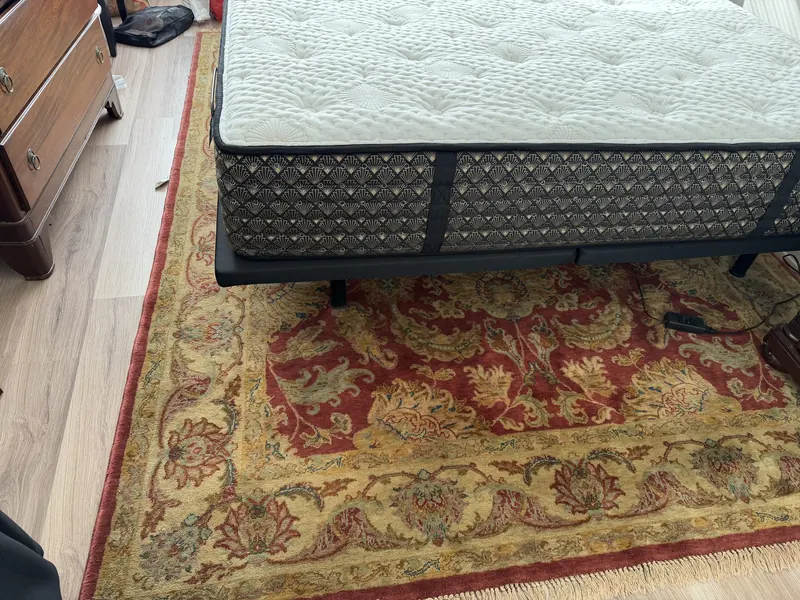
- Adjustable bases, heating pads and electric blankets mean keeping water well away from the wiring.
- Pillow tops carry extra padding that is slow to dry, so they get less liquid, not more.
Stains, odor and drying time
Fresh surface marks respond to either method. Deeper urine or sweat sets harder, and neither approach can promise to lift it. Extraction may reach more of the residue, while a low moisture clean may only lighten it, and a cleaner who speaks plainly will say which is likely before starting.
Drying differs too. A mattress cleaned with more water takes longer to dry, and longer again in humid weather or a room with little airflow. Whatever the method, the mattress should be dry before the bed is made, because bedding over damp padding traps the moisture.
What neither method does
Neither approach repairs a mattress. Sagging, broken coils and foam that has lost its shape stay as they are, and a stain that has soaked into the core may lighten without leaving. Neither is a treatment for insects. A clean mattress is a fresher, tidier one, and it is worth expecting that and no more.
How the choice is made
A visit with Flying Carpet Cleaning NJ begins with a look at the mattress, its material and its condition. The cleaning happens in your home with the mattress on its bed frame, by a low moisture method that keeps the inside dry, and you hear what the cleaning can and cannot achieve before any work is done.
If you are comparing cleaners, ask which method they use on your type of mattress and why. A clear answer matched to the material is a good sign.
Related service: Mattress cleaning in New Jersey.
Questions, answered
Does steam kill dust mites or bed bugs?
Heat can kill some pests, but a mattress cleaning is not pest treatment, and surface steam rarely reaches deep into a mattress. For bed bugs, call a pest control company. For dust mites, combine cleaning with covers, hot washed bedding and dry air.
Is a low moisture method safe for memory foam?
Yes, low moisture methods are the usual choice for foam because so little liquid goes in. Follow the care label, test a hidden area first and make sure any compound is vacuumed out fully. Soaking foam is the thing to avoid, since it dries slowly.
How can I tell which method my mattress label allows?
Read the care tag or the maker's website. Phrases such as spot clean only or do not saturate point to low moisture. If the label is gone, give the cleaner the type of mattress and the brand when you ask for a quote.