
In short
Flying Carpet Cleaning NJ cleans wall to wall carpet in Fort Lee, New Jersey, and across Bergen County. A visit starts with a look at the fiber and the spots, then pre treatment and hot water extraction or a low moisture method. Drying time depends on the season and the carpet, and quotes are free with no obligation.
Carpet cleaning in Fort Lee: what to know
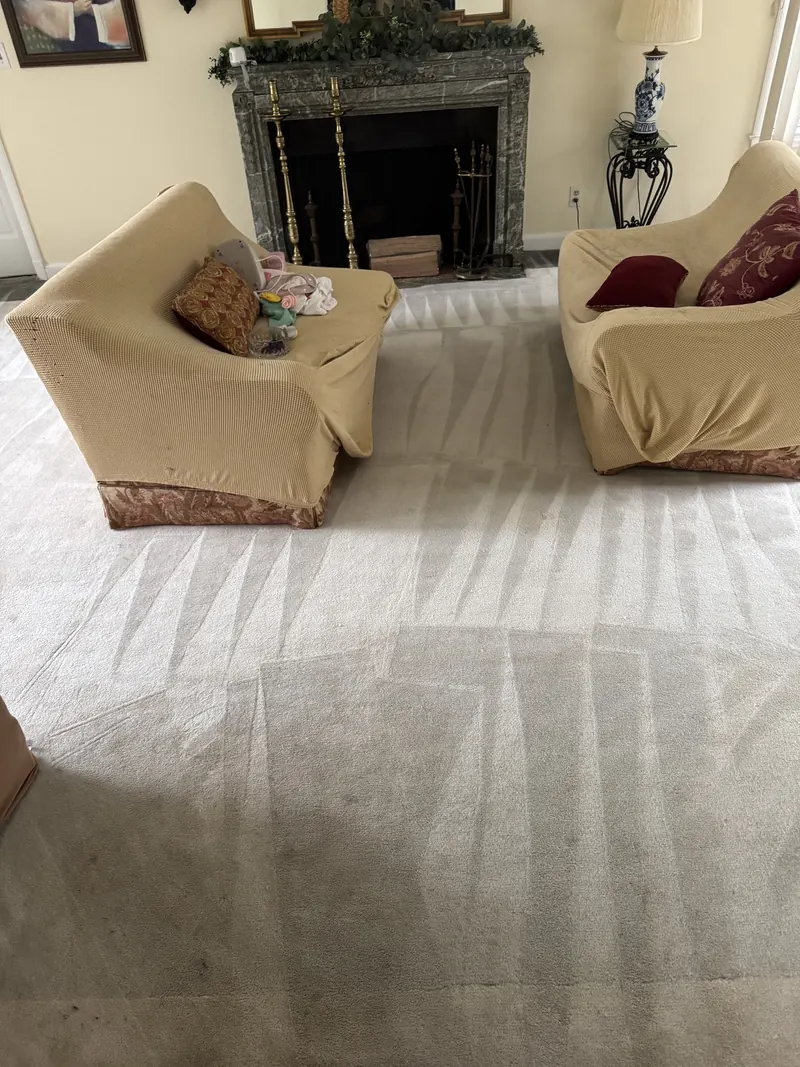
In Fort Lee, 68 percent of homes sit in apartment buildings of five units or larger, so carpet is usually cleaned with a neighbor's ceiling beneath it and a shared corridor outside the door. The carpet decides the method. We look at the fiber, the wear and the spots that bother you, and settle on hot water extraction or on a low moisture method. Wool holds more water than nylon and dries slower, so say so if yours is wool. Spots and traffic lanes are treated before the main cleaning, and the entry and the inside hall, which soil faster than the bedrooms, get the most attention. Before you call, look at the carpet beside the windows. A paler band there may be sun fading, which is a change in the dye, and cleaning does not bring color back. Mention it when you ask for a quote.
A cleaning visit in Fort Lee
A Fort Lee visit is arranged with the building first and with us second. The rules of the house apply to owners and tenants alike, and the front desk or the management office can tell you what they are: the entrance and the elevator to use, the days and hours allowed, and where a work vehicle may wait. Ask a few days ahead and give us the answers with your floor. At a house, the driveway and the nearest door are what we ask about. Drying usually takes a few hours and varies with the material, the weather and the airflow, so keep the ventilation running afterward.
How a carpet cleaning visit goes
We look first
We walk the rooms with you, check the fiber and note the traffic lanes, the spots and any pet areas.
We treat the trouble spots
Stains and traffic lanes are treated before the main cleaning, so the solution has time to work.
We clean
Hot water extraction or a low moisture method, chosen for the carpet in front of us.
We set it up to dry
We groom the pile, tell you what drying time to expect for the season and how to shorten it.
- What we clean
- Wall to wall carpet in bedrooms, living rooms, halls and on stairs, in homes and businesses
- How
- Hot water extraction (steam cleaning) or a low moisture method, chosen for the fiber
- Drying
- Often within hours in warm weather. Dense carpet in cold or humid weather can take up to 48 hours
- Quote
- Free, based on the rooms, the stairs and the condition
- When
- Open 24 hours, every day
Carpet cleaning in Fort Lee: questions, answered
Does my Fort Lee building have to approve a cleaning visit?
That is for the building to say, so ask before you call. About three in five Fort Lee homes are in towers and other large buildings, and each sets its own rules for outside workers: the entrance, the elevator, the days and the hours. Bring us those rules with your floor and apartment number, and the visit is planned around them.
How often should carpet be professionally cleaned?
Every 6 to 12 months suits most homes. Homes with pets, small children or heavy foot traffic do better closer to every 6 months, and a guest room that is rarely used can wait longer.
How long does carpet take to dry after cleaning?
It depends on the season. In warm, dry weather carpet is often dry within hours. In winter or in humid weather, and with thick or dense pile, it can take up to 48 hours. Moving air shortens it: open windows when the weather allows, run a fan or the heating, and keep furniture legs off damp carpet.
Will steam cleaning shrink or damage my carpet?
Not when the method fits the fiber. Synthetic carpet tolerates hot water extraction well. Wool and specialty carpet get cooler water and less of it, or a low moisture method, which is why we check the fiber before we start.
Can you remove pet stains and smells from carpet?
Often, when the urine is recent and sits in the pile. Old or repeated accidents that reached the pad or the subfloor are harder, and cleaning the surface may improve them without removing them. We tell you what is realistic after we look.