
In short
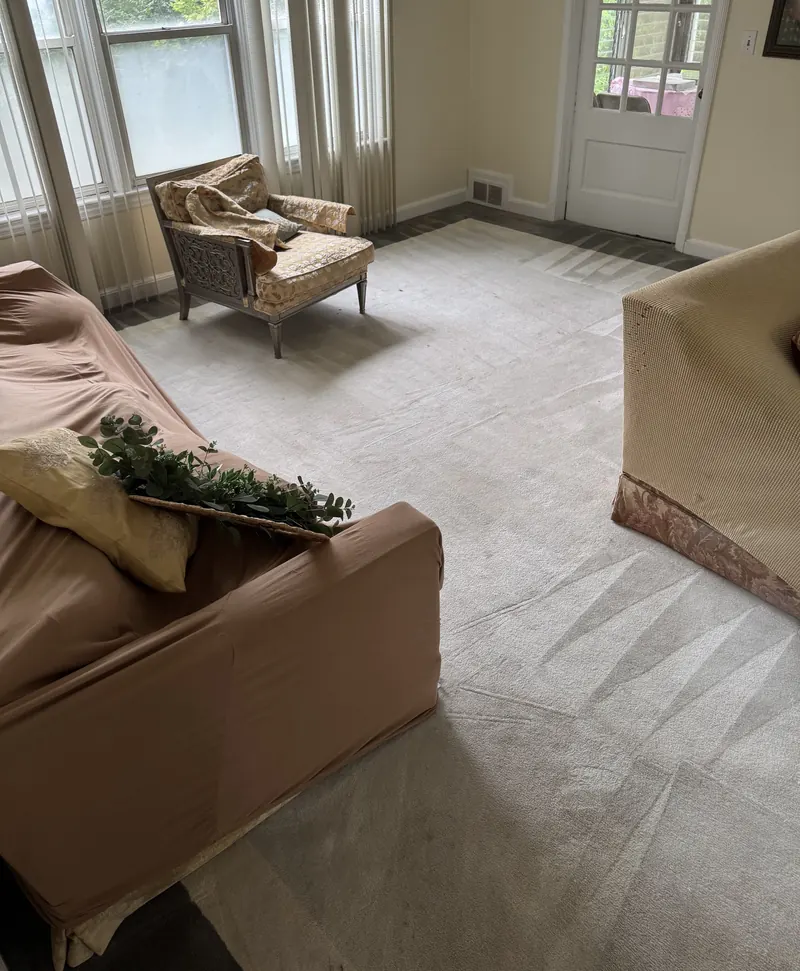
Most carpet is dry within a few hours of professional cleaning. The method matters less than the room: humid air, thick pile and still air slow drying, while air conditioning and fans speed it up. Carpet that is still wet the next day is a sign that too much water went in or too little air is moving.
Worth remembering
- A few hours is normal. Low moisture cleaning dries sooner than hot water extraction.
- Moving air dries carpet faster than heat does.
- On a humid summer day, close the windows and run the air conditioning.
- Carpet that is still wet the next day needs attention, not more waiting.
What decides the drying time
Three things: how much water went into the carpet, how much of it the machine pulled back out, and how quickly the room can carry away what is left. A cleaner controls the first two. The third is the room itself, and it is the one that changes most from one home to the next.
Hot water extraction rinses the pile and recovers most of the water in the same pass, so the carpet is left damp, not soaked. A low moisture method uses far less water to begin with and dries sooner, which is one reason it is chosen for wool, for offices that reopen the same morning and for rooms with little airflow.
Why some carpet dries slowly
Thick, dense pile holds more water than a flat loop, and wool holds more than nylon or polyester. A heavy pad under the carpet keeps moisture at the base of the fibers for longer.
The air matters just as much. In a New Jersey summer the outdoor air is often already full of moisture, so an open window can slow drying instead of helping. A basement with no air movement dries slowest of all.
What a careful cleaner does about it
Good drying starts during the cleaning. Extra dry passes with the wand, with the water switched off, pull out moisture that would otherwise sit in the pile for hours. Grooming the pile afterward stands the fibers up so air can reach the base. On wool or in a room with poor airflow, a cleaner who chooses a low moisture method is trading a little rinsing power for a carpet that is usable again sooner.
Ask before the visit how the cleaner plans to leave the carpet, and say so if the room has no windows or the home has no air conditioning. It changes the method that suits the job.
How to speed it up
- Run the air conditioning. It removes moisture from the air as it cools.
- Set fans to blow across the carpet, not down at it.
- Switch on ceiling fans and leave interior doors open.
- Open windows only when the air outside is dry.
- Use a dehumidifier in a basement or a closed room.
Walking on it and moving furniture back
Light walking in clean socks is fine once the cleaning is finished. Shoes carry soil onto damp fibers, and bare feet leave skin oils, so both are better avoided until the carpet is dry.
Furniture should wait. Wood stain and metal glides can mark damp carpet, and the mark is permanent. If a piece has to go back early, put a square of foil or plastic under each leg.
When damp carpet is a problem
Carpet that is still wet to the touch the next day did not dry normally. Either too much water went in or the room has no air movement. Start the fans and the air conditioning, lift furniture off it, and call the cleaner. A musty smell that appears after cleaning has the same cause and the same answer: more air, sooner.
Related service: Carpet cleaning in New Jersey.
Questions, answered
Can I sleep in a bedroom after the carpet was cleaned that day?
Yes. Damp carpet is not harmful to be near. Keep a window cracked or the fan running overnight so the room does not feel humid, and walk in socks until the pile is dry.
Does turning up the heat dry carpet faster?
Only a little. Warm air holds more moisture, but without air movement it just becomes warm, damp air. A fan or the air conditioning does more than a higher thermostat.
Is it normal for carpet to feel slightly damp the same evening?
Yes, for thick pile, wool, or on a humid day. It should be fully dry by the next morning. If it is not, tell the cleaner.