
In short
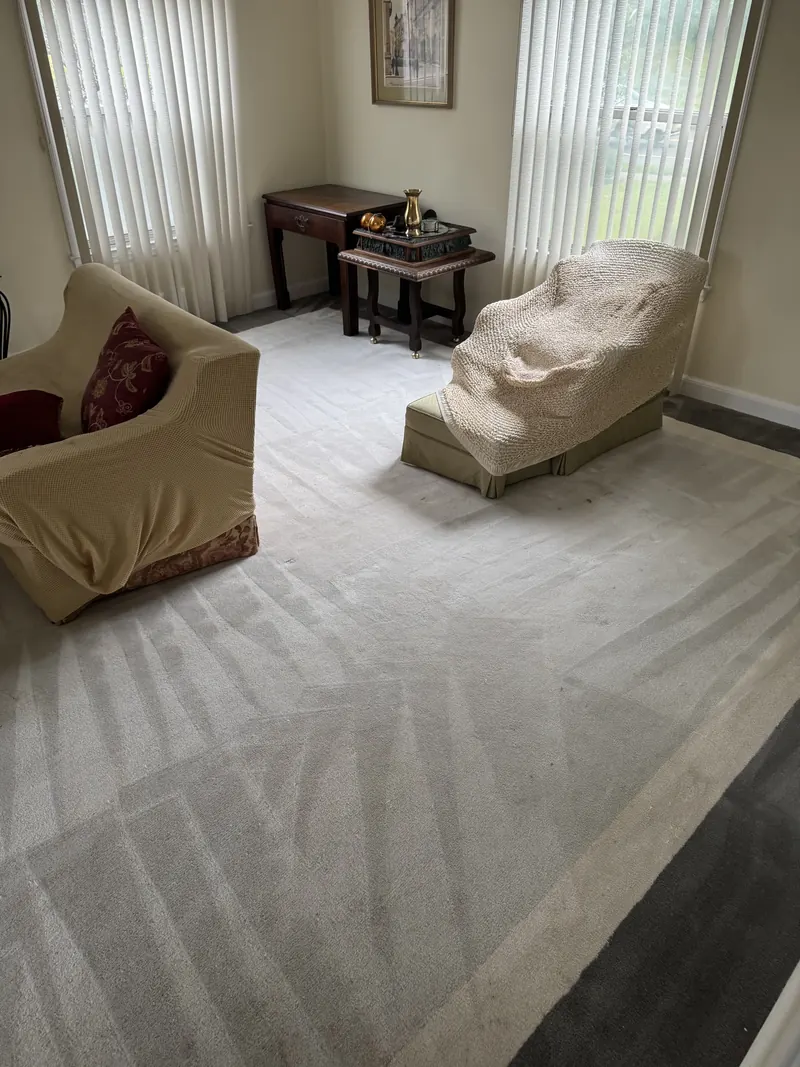
Traffic lanes come out when they are made of soil and stay when they are made of worn fiber. Rub a damp white cloth along the lane. If it picks up gray, a cleaning that loosens the soil and then rinses it away will bring the carpet back, and if the cloth stays clean the pile is worn and cleaning will only soften the look.
Worth remembering
- A damp white cloth settles it. Gray on the cloth means soil, which cleaning can lift.
- A soil lane needs pre-treatment, time to work, agitation and a rinse. Skipped dwell time is the usual reason a lane stays.
- Worn or crushed pile can only be softened, so prevention is cheaper than replacement.
- Mats, runners and regular vacuuming keep new lanes from forming.
Why lanes form
People walk the same path every day, from the front door to the kitchen, along the hall and up the stairs. Shoes carry in oily soil and fine grit, and each step presses it into the pile. Oily soil holds on to more dust, so the path darkens faster than the room around it.
Crushing comes with it. Pile that is walked on daily lies down and reflects light differently, which makes the lane look darker even before it is dirty.
Soil or wear
Rub a damp white cloth along the lane. A cloth that picks up gray shows soil, and the carpet underneath is likely to clean up. A cloth that stays clean while the lane still looks dull, fuzzy or flat shows worn or crushed pile.
Look closely at the fiber as well. Frayed, untwisted yarn tips in the lane are wear, and no cleaning puts the twist back into a yarn.
What lifts a soil lane
A lane packed with oily soil needs a pre-treatment, time for it to work, agitation and a rinse that carries the loosened soil away. The treatment has to stay on the fiber long enough to break the oil, and then a brush or a machine with a rotating head works it loose before extraction recovers it.
Skipping the dwell time is the most common reason a lane is still there when the carpet dries. Drying is part of the treatment too: groom the pile while it is damp so the fibers stand up, and keep air moving across the floor, since a lane left damp collects dirt again quickly. Flying Carpet Cleaning NJ treats traffic lanes and spots before the main cleaning, so the lane gets its own attention first.
Crushed pile
Crushed pile that is not worn may recover. Vacuum in several directions, brush the lane with a soft brush and let the carpet dry fully. Where furniture left dents, a light mist of water and some brushing can lift the pile.
Heavily worn pile does not recover. The remedies are patching with spare carpet, replacing the section or replacing the carpet, so ask your installer whether any leftover carpet was kept.
Preventing the next lane
Lanes form where nothing protects the carpet. A few habits spread the load.
- Place mats outside and inside every entrance, and shake them out or wash them.
- Lay a runner in the hall and on the stairs, and shift it a little now and then so wear is spread.
- Take shoes off at the door.
- Vacuum the lane more often than the rest of the room, with slow passes.
- Rearrange furniture occasionally so the walking path shifts.
- Clean the lane while it is gray, since gray lifts more easily than black.
Related service: Carpet cleaning in New Jersey.
Questions, answered
Why do traffic lanes come back soon after cleaning?
Usually residue or leftover oil. Product that was not rinsed out attracts fresh soil to the same path, and oil that was loosened but not recovered holds dust. The lane may also be wear, which cleaning cannot change. Try the damp cloth test.
Can a worn traffic lane be repaired?
Cleaning improves the look by removing soil, but worn pile cannot be restored. The remedies are patching with spare carpet, replacing the section or replacing the carpet. A cleaner should tell you in advance which kind of lane you have.
Should I clean the whole room if only the lane is dirty?
Usually yes, because a cleaned lane in a dingy room shows as a pale stripe. Between full cleanings, a cleaner can treat the lane alone and blend its edges into the room, which keeps the soil from hardening.