
In short
Cleaning a mattress lowers the dust, skin flakes and some of the allergen on it, but it does not remove dust mites or end an allergy. Mites live in bedding and soft furnishings, and the allergen comes from their droppings and body fragments. The steps work best together: a covered mattress, hot washed bedding, dry air and regular cleaning.
Worth remembering
- Dust mites feed on shed skin and thrive in warm, humid bedding. The allergen is in their droppings and body fragments.
- Cleaning lowers the load but cannot remove mites. Pair it with covers, hot washing and dry air.
- Zippered allergen covers on the mattress and pillows work alongside cleaning, not in place of it.
- Ask a doctor about symptoms. A mattress is one possible trigger among several.
What lives in a mattress
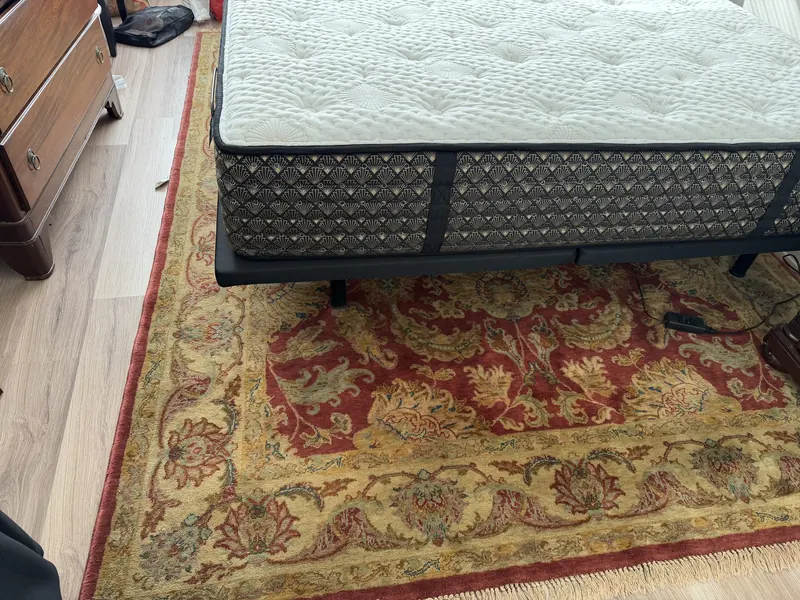
Dust mites are microscopic relatives of spiders. They feed on the skin flakes that people shed every night, and they do best in warm, humid places such as bedding, upholstery and carpet. A mattress offers food, warmth and shelter, so it is a common home for them however clean the room looks.
The allergy comes from proteins in their droppings and in fragments of their bodies. Those particles stay in the surface of the mattress and rise as fine dust whenever the bed is made or slept on.
Signs that point toward the bed
Sneezing, a stuffy or runny nose, itchy eyes or a cough that is worse at night or in the morning, and that eases when you sleep away from home, can point to dust mites. The same symptoms also come from pollen, pets and mold, so treat this as a pointer and not a diagnosis. A doctor or an allergist can test for the cause and advise on treatment, and changes to the bed are a support for that plan.
What lowers exposure
- Zippered, tightly woven allergen covers on the mattress, the box spring and the pillows.
- Weekly washing of sheets, pillowcases and the protector in the hottest water their care labels allow.
- Indoor humidity kept below about 50 percent, with air conditioning or a dehumidifier in damp months.
- Regular vacuuming of the mattress surface and the floor around the bed, with a HEPA filter if you have one.
- Fewer soft toys, throws and extra pillows on the bed.
What mattress cleaning can and cannot do
A cleaning lifts dust, skin flakes, body oils and some allergen from the surface, and it removes the food that mites live on. It does not sterilize a mattress, and it cannot leave one free of mites. Hot water kills mites in bedding that can be washed, which a mattress cannot take, and that is why the washing routine matters so much. Be wary of any promise to remove every allergen.
Flying Carpet Cleaning NJ cleans mattresses at home on the bed frame, using a low moisture method so the inside stays dry. A visit opens with a look at the mattress and a word about what the cleaning can do for it. Cleaning a mattress is not pest treatment. If you suspect bed bugs or another insect, a pest control company comes first.
A routine that holds up
Wash the bedding weekly, vacuum the bed each month, keep the room dry and arrange a cleaning once or twice a year, closer to twice if symptoms are strong. Wash pillows if their labels allow it, and replace those that have gone flat or lumpy. If a pet on the bed seems to set off symptoms, keeping it off the mattress is worth trying. and put the covers on a new mattress from the first night. It is easier to keep a clean mattress clean than to rescue an old one.
Related service: Mattress cleaning in New Jersey.
Questions, answered
Can mattress cleaning get rid of dust mites?
No. Cleaning removes dust, skin flakes and some allergen from the surface and takes away what mites feed on, but it cannot leave a mattress free of them. Covers, hot washed bedding and dry air do more together than any single step.
Do allergen covers really help?
A tightly woven zippered cover keeps mites away from the sleeping surface and keeps allergen sealed inside. It works best when the mattress, box spring and pillows are all covered, and when the cover is wiped or washed as its label says.
Is a new mattress free of dust mites?
Not for long. Mites move in once a bed is used, because skin flakes, warmth and humidity are all there. Putting a cover on a new mattress from the first night is easier than treating an old one later.